|
||||||
Antonio Pollaiuolo | Dissecting Corpses for Art
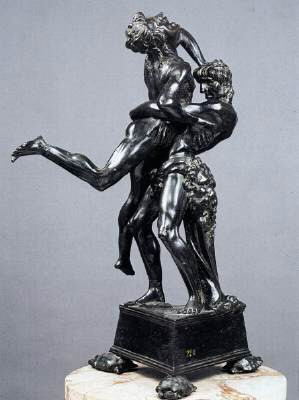
Antonio was the more talented of the two Pollaiuolo brothers. Scholars disagree as to which Pollaiuolo brother did what work, but it is generally assumed that Antonio Pollaiuolo was the more talented of the two brothers. The sculpture of Hercules and Anteus showcases Pollaiuolo's ability to depict the human form in an emotional and physical way. Both Leonardo and Michelangelo were influenced by this work. His most significant works are the bronze papal tombs of Sixtus IV (1493) and Innocent VIII (1498). Brenda Harness, Art Historian | ||||||
|
 QUOTE
QUOTE
|
Welcome ! |
|
We respect your privacy and will never sell your personal information. |
| Click here to sign up for our newsletter. |
Buy great
art books
at Amazon!
Home Glossary of Terms Contact Us About Us Newsletter Subscription